

Building Code Compliance Plumbing Services in Vesta, VA
Vesta Building Code Compliance Professionals ready now in Patrick County
Building Code Compliance offers a regulatory-focused plumbing service that guarantees all installations, repairs, and modifications comply with local, state, and national plumbing codes. The service includes inspections, documentation, and corrective actions to align systems with legal standards, promoting safety, efficiency, and approval in construction and renovation projects. It is necessary for avoiding fines, delays, and liability
We provide top notch Plumbing services throughout Patrick County. Whether you need help with Building Code Compliance or other issues, our Pros is ready.

Plumbing Services in Vesta, VA
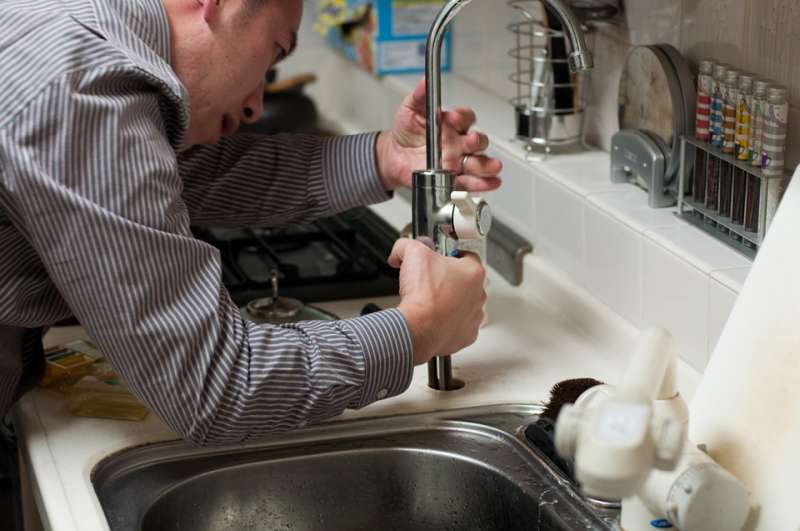
Setting up dishwashing machines, water heaters (tank and tankless), garbage disposals, and cleaning machines.

Ensuring backflow avoidance devices are working correctly.
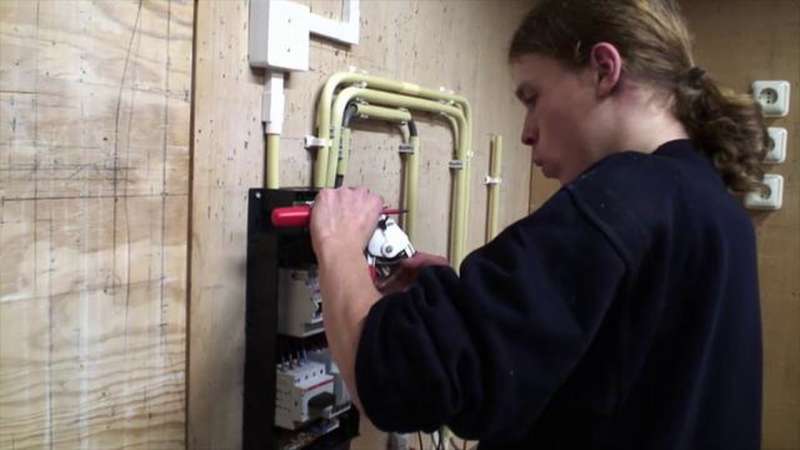
Transferring or updating plumbing systems.

Guaranteeing plumbing systems satisfy local policies.
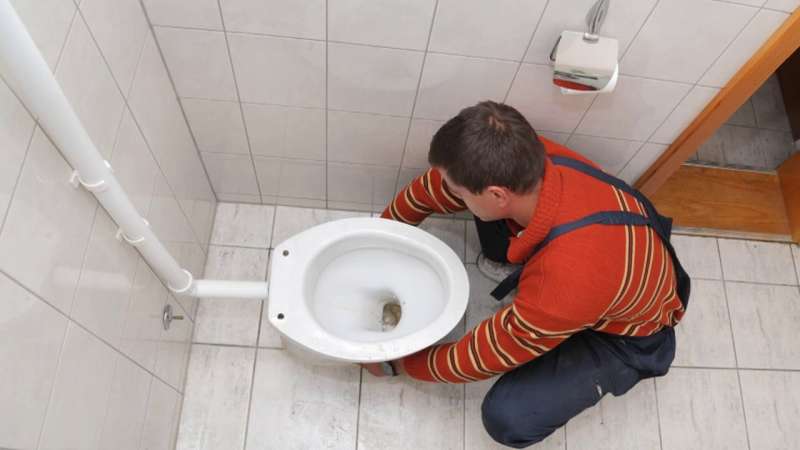
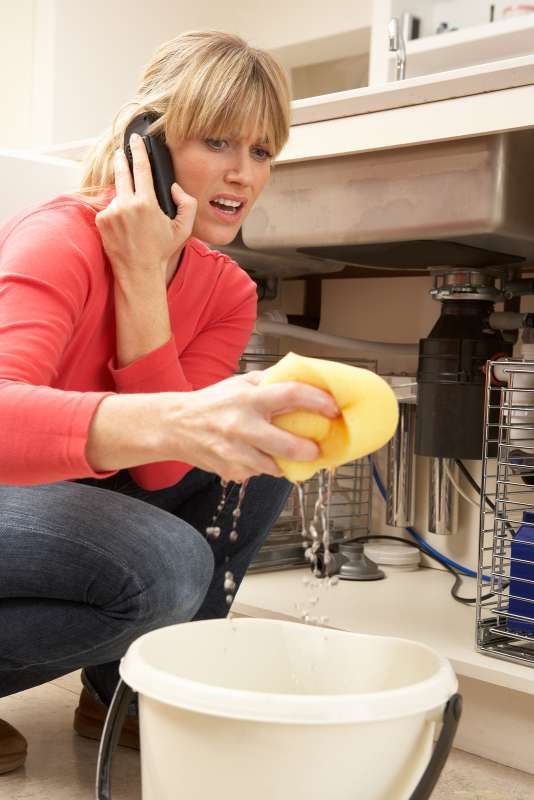
Immediate reaction to prevent flooding and water damage.
Clearing clogs in sinks, toilets, showers, and sewage system lines.

Routine cleansing to prevent blockages and preserve circulation.

Repairing malfunctioning faucets, toilets, and other components.

Installation of sinks, faucets, toilets, bathtubs, and showers.

Emergency detection and repair to prevent risks.

Fixing gas leakages and ensuring correct gas line functioning.

Setting up systems for recycling household wastewater.

Setting up and preserving glowing flooring heating systems.
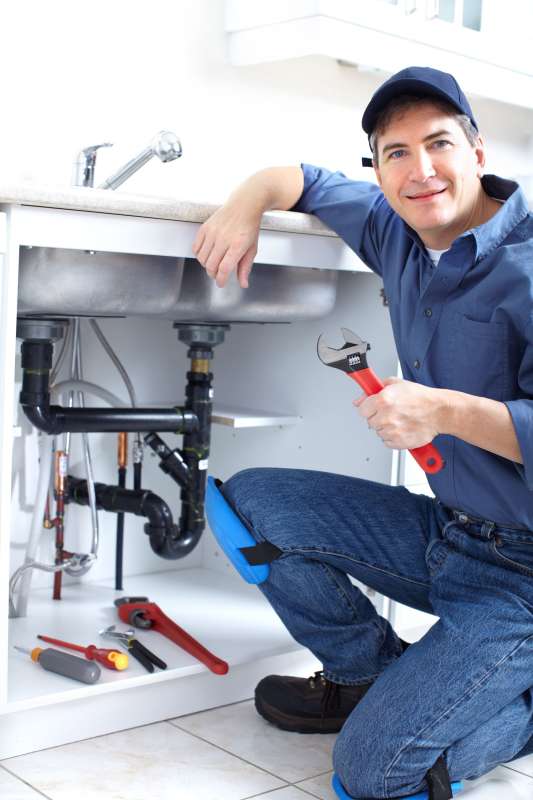
Specialized piping for factories or commercial settings.
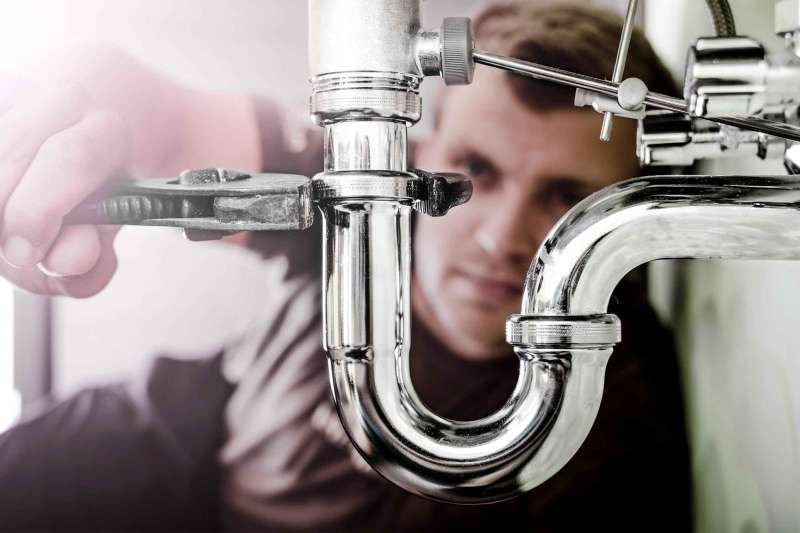
Installing and maintaining outside watering.

Plumbing systems for new structures or restorations.

Fixing leaks in pipelines, faucets, toilets, and home appliances.

Quick resolution of severe clogs and overflows.

Using electronic cameras to check pipes for damage or blockages.
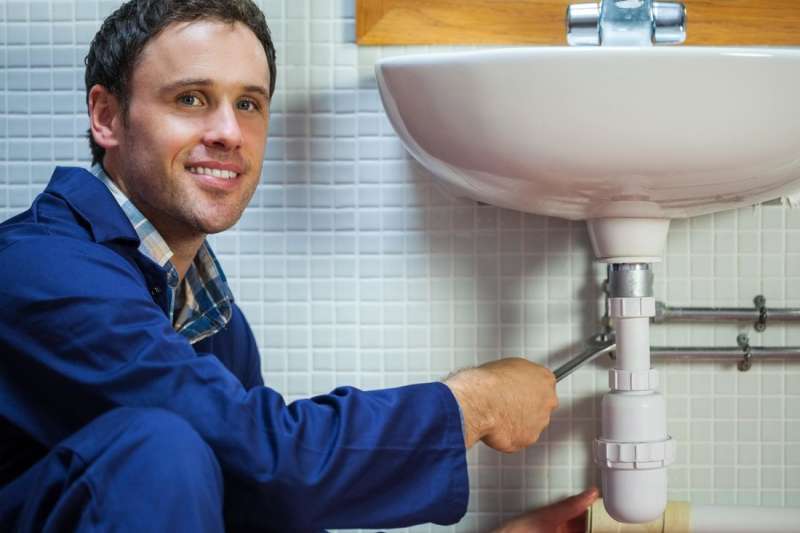
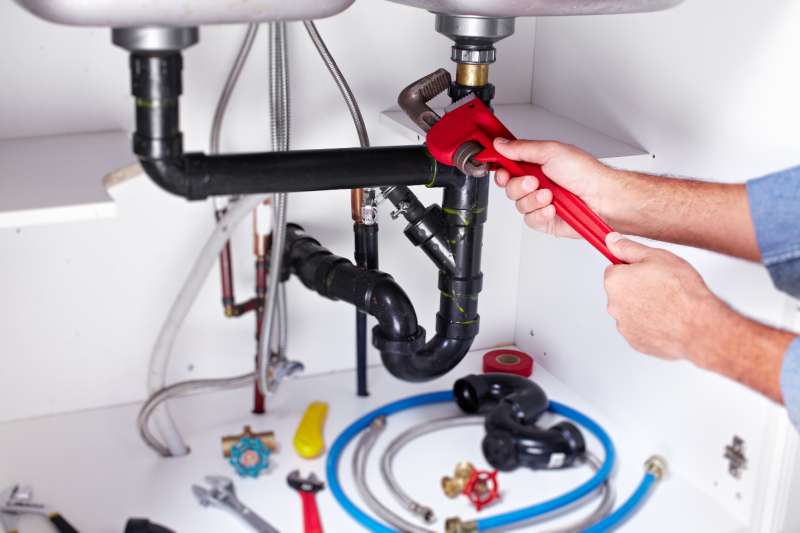
Repairing or changing burst, corroded, or damaged pipelines.

Setting up brand-new piping systems for water, gas, and drainage.

Examining plumbing systems before buying home.
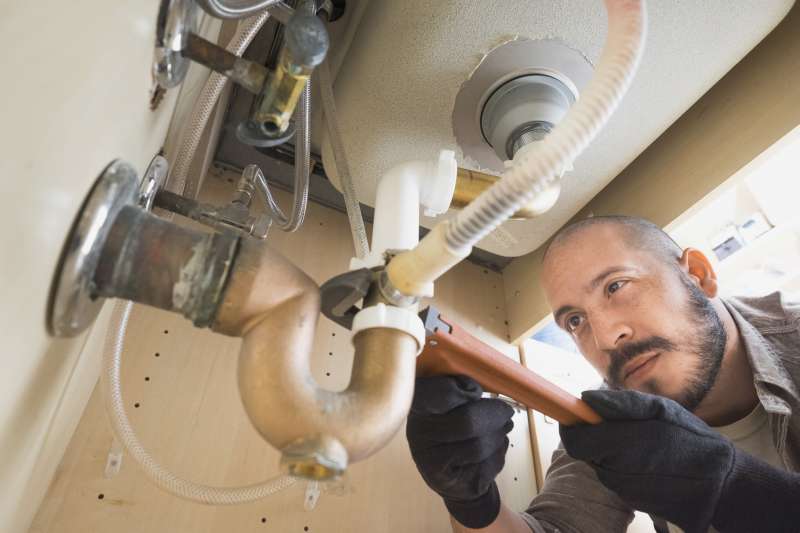
Installing systems to gather and make use of rainwater.

Continuous upkeep services for services.
Setting up, repairing, and keeping septic systems.

Handling groundwater in basements.
Installing water-efficient or modern-day components.

Recommending on water-saving techniques and products.

Installing water softeners and purification systems.

Flushing and inspecting hot water heater to lengthen life expectancy.
Addressing concerns with temperature level, leaks, or failure to heat water.
Securing basements or other areas from water intrusion.

Immediate attention to prevent contamination and health risks.